As an Amazon Associate, we earn from qualifying purchases. Some links on this site are affiliate links at no extra cost to you. Our recommendations are based on thorough research and editorial judgment.

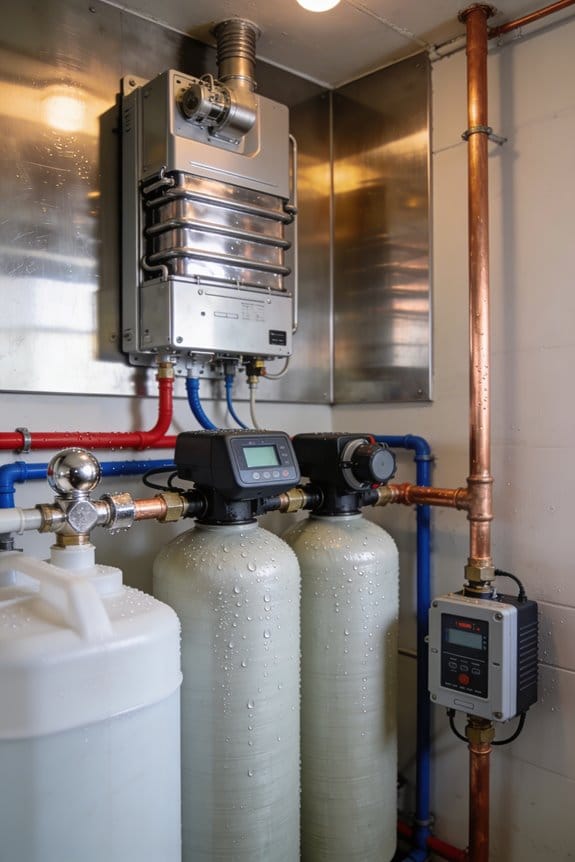
New 2026 Gas Water Heater Regulations: What Homeowners Need to Know

New federal regulations require gas water heaters to meet stricter efficiency standards starting October 2026 for commercial units and May 2029 for residential models. Your current water heater will continue working after these dates, but you’ll eventually need to replace it with a condensing model that captures exhaust heat, reaching 95% efficiency compared to today’s 80% standard. These changes mean higher upfront costs but lower energy bills over time. Understanding your timeline and options now helps you avoid emergency replacements and installation complications later.
Key Takeaways
- Commercial water heater standards take effect October 6, 2026; residential standards follow May 6, 2029, giving homeowners time to plan replacements.
- New standards mandate condensing technology that captures exhaust heat, requiring 95% efficiency for commercial units and improved performance across all models.
- Condensing systems need different venting materials and proper condensate drainage, likely requiring new plumbing and venting configurations during installation.
- Existing water heaters continue functioning after compliance dates; however, replacement parts for older models may become increasingly difficult to find.
- Early replacement before 2026 offers broader equipment options, while waiting may provide improved technology but fewer choices as non-compliant inventory depletes.
When Do New Gas Water Heater Standards Take Effect?
Because manufacturers need time to redesign their products, the new gas water heater regulations don’t take effect all at once—they’re rolling out in stages depending on whether you’re buying commercial or residential equipment. Commercial standards become effective October 6, 2026, which means manufacturers must stop producing non-compliant models by that date. Residential standards follow later, taking effect May 6, 2029, for produced products. This compliance timeline gives you consumer options during the adjustment period. You can still purchase and install pre-compliance products after these dates, though availability will decrease. Understanding this staggered approach helps you plan equipment replacements strategically and avoid unexpected installation complications or limited choices for your home’s hot water system.
What’s Changing: New Standards for Your Water Heater

Facing stricter efficiency requirements starting in 2026, gas water heaters will look and operate differently from the models you might’ve relied on for years. The most significant change involves condensing adoption, where new units capture heat from exhaust gases to boost efficiency. Commercial models must reach 95% efficiency, while instantaneous units jump to 96%—up from the current 80% standard. You’ll notice efficiency labeling on products, making it easier to compare performance between models. These condensing systems require different venting setups, meaning your installation space might need adjustments. Storage tank models under 20 gallons now have new UEF standards, and mid-sized tanks need dampers. These changes ultimately reduce energy consumption and greenhouse gas emissions while lowering your long-term utility costs.
Condensing Technology: What Changes for You?
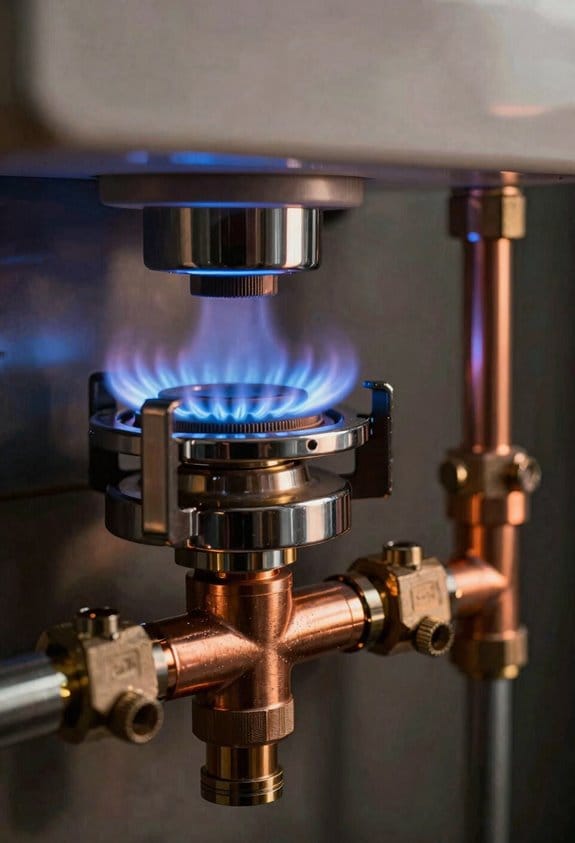
To meet the 2026 efficiency standards, gas water heaters now incorporate condensing technology, which captures heat from exhaust gases that older models simply released into the air. This heat recovery process improves efficiency markedly, but it requires changes to your installation.
Condensing units produce cooler exhaust, so you’ll need different venting materials—typically plastic or stainless steel instead of traditional metal pipes. A condensing retrofit means replacing your current system with equipment designed to handle acidic condensate that forms during operation.
These modifications demand new plumbing and venting configurations in your home. While the upfront costs are higher, the energy savings over time offset the initial investment. Planning ahead allows you to choose equipment suited to your space before 2026 arrives.
Will Your Current Water Heater Still Work After 2026?

Your existing water heater won’t suddenly stop working when 2026 arrives, yet you’ll want to understand what these new regulations mean for your system’s future. If your current unit operates efficiently, it’ll continue functioning normally after the deadline. However, when you eventually need replacement parts, availability may become limited for older non-condensing models. You should also consider homeowner liability implications, particularly if you’re selling your property and must disclose your outdated system to buyers. Additionally, warranty transfer becomes important if you’re transferring ownership, as manufacturers may not honor existing warranties on discontinued equipment. Planning ahead for eventual replacement helps you avoid emergency situations and guarantees you’re prepared for installation changes that condensing technology requires.
Commercial vs. Residential: Which Standards Apply?

Because the 2026 regulations establish different requirements depending on how a water heater is used, it’s important I clarify which standards’ll apply to your specific situation. Residential standards apply to water heaters installed in homes and small buildings, while commercial thresholds define equipment used in businesses, hotels, and larger facilities. If you’re a homeowner, residential exemptions mean you’ll follow less stringent requirements than commercial operators. However, some high-capacity units over 75,000 BTU/hr used residentially fall under commercial standards instead. Understanding this distinction matters because it determines which efficiency levels your replacement unit must meet after May 2029. I recommend checking your current equipment’s specifications and intended use location to identify which category applies to you.
Installation and Venting Requirements
Once the 2026 regulations take effect, traditional water heater installation methods will no longer work for most new equipment, particularly because condensing units require fundamentally different venting systems than older non-condensing models. These new venting configurations demand specialized materials and positioning to handle acidic condensate that forms during operation. Condensate management becomes critical, as the corrosive byproduct must drain safely away from your home’s structure. You’ll likely need plastic venting pipes instead of metal ones, and your technician may need to reconfigure your space to accommodate proper slope and drainage systems. Planning ahead allows you to evaluate your current setup and determine whether modifications suit your budget and home layout before installation deadlines arrive.
Should You Replace Before 2026? A Decision Guide
Understanding whether to replace your gas water heater before 2026 requires weighing several factors against the regulatory changes ahead. If your current unit’s warranty transfer options remain available, you might extend its life without immediate replacement. However, scheduling a pre-purchase inspection before buying a new model helps you identify the right system for your home’s needs. Consider your heater’s age and efficiency rating, since older units often cost more to operate. Early replacement gives you access to wider equipment options before condensing technology becomes mandatory. You’ll also avoid installation complications that arise when traditional venting methods become non-viable. Conversely, if your unit functions well, waiting allows you to benefit from improved technology and potentially lower prices as manufacturers adjust to new standards.
How Efficiency Standards Lower Your Energy Bills
The new efficiency standards taking effect in 2026 and 2029 will cut down on energy waste, which means your monthly utility bills should drop markedly over time. Higher efficiency ratings mean less natural gas gets wasted as heat escapes through vents or standby losses. When your water heater operates at 95% or 96% efficiency instead of 80%, you’re converting more fuel into usable hot water. Since hot water systems account for 18% of home energy use, improving their efficiency delivers substantial energy savings. Your bill reduction becomes noticeable within months, compounding annually. Though new condensing models cost more upfront, lower monthly expenses offset that investment over the unit’s lifespan, making efficiency upgrades financially sensible long-term.
Frequently Asked Questions
Are Parts and Service Available for Non-Compliant Water Heaters After 2026?
Like a trusty old car that still runs after its manufacturer stops making it, I’m here to tell you that parts availability continues for servicing your older equipment even post-2026, ensuring service access remains intact.
Could Legal Challenges Delay or Modify the New Efficiency Standards?
Yes, legal challenges could delay or modify these standards. I’d monitor court injunctions and potential legislative amendments, as they’re subject to legal challenges that might alter the 2026 and 2029 implementation timelines.
How Will Commercial Replacements Affect Installation Costs Compared to Residential Units?
Commercial replacements’ll cost you more due to higher commercial labor rates and condensing technology requirements. You’re looking at increased installation complexity, new venting configurations, and system layout adjustments that residential units don’t demand.
What UEF Standards Apply to Gas-Fired Storage Under 20 Gallons?
I’ll explain that for your small tanks under 20 gallons, you’re looking at a new UEF standard that’s being added. This addresses standby losses you’ll see with gas-fired storage units going forward.
Why Are Gas Tankless Water Heaters Excluded From Current Residential Standards?
Since hot water systems consume 18% of home energy, I’m telling you tankless units face state exemptions due to market impacts that require separate regulatory treatment later rather than now.


