As an Amazon Associate, we earn from qualifying purchases. Some links on this site are affiliate links at no extra cost to you. Our recommendations are based on thorough research and editorial judgment.

How to Choose a Water Treatment System for a New Home

Start by getting your water tested through a Consumer Confidence Report or private lab to identify specific contaminants like lead, arsenic, or bacteria. Next, decide between point-of-use filters (under-sink, countertop—DIY-friendly) or whole-house systems (professional installation, treats all water). Match your filter technology to contaminants: activated carbon removes chlorine, reverse osmosis handles heavy metals, UV tackles bacteria. Check NSF/ANSI certifications, compare ongoing replacement costs, and assess your maintenance commitment. Understanding these fundamentals will guide your complete decision.
Key Takeaways
- Test your water first through a Consumer Confidence Report or private lab to identify specific contaminants before selecting treatment.
- Choose between point-of-use filters for targeted treatment or whole-house systems for comprehensive protection based on contamination scope.
- Verify NSF/ANSI certifications confirm removal of your specific contaminants, such as lead, arsenic, bacteria, or PFAS.
- Factor in ongoing filter replacement costs and maintenance frequency—pitcher filters need monthly changes; under-sink filters need quarterly replacements.
- Plan for professional installation and potential permits if selecting whole-house systems, which require electrical connections and regular pressure monitoring.
Start With a Water Quality Test
Testing your water before choosing a treatment system isn’t optional—it’s the foundation of making the right decision. I recommend requesting your city’s Consumer Confidence Report if you have public water, or conducting a private lab test for wells. These tests identify specific contaminants like lead, arsenic, bacteria, and PFAS chemicals that taste and smell alone can’t detect.
Consider seasonal testing since water quality can change throughout the year, especially with shared resources like municipal systems. Lab testing costs more upfront but provides reliable, case-specific information you can trust. Once you know what contaminants you’re dealing with, you’ll understand exactly which treatment technology matches your needs rather than guessing blindly.
Identify Your Specific Contaminants
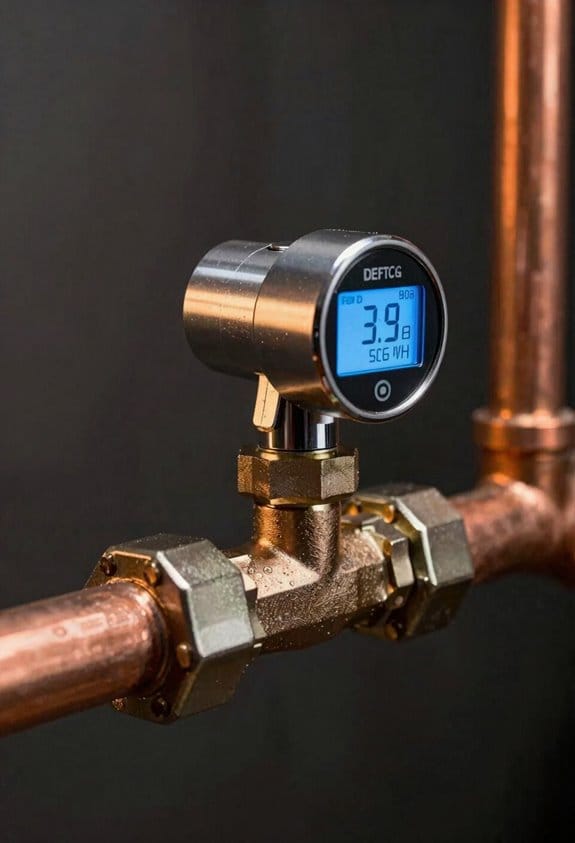
Once you’ve received your water test results, the next step is understanding exactly what contaminants are present in your water supply. Your results will show specific issues like lead, arsenic, bacteria, or chemicals such as PFAS. Understanding these contaminants helps you choose the right treatment system. Consider your plumbing materials too, since older copper or lead pipes can leach metals into your water. Seasonal variation matters as well—contaminant levels sometimes change throughout the year based on weather and water source conditions. Don’t rely on taste or smell alone; many dangerous contaminants are invisible and odorless. Your test report provides reliable, case-specific information that guides your treatment decisions, ensuring you address your home’s actual water quality problems rather than guessing.
Choose Between Whole-House Systems (Professional Install) and Point-of-Use Filters (DIY-Friendly)
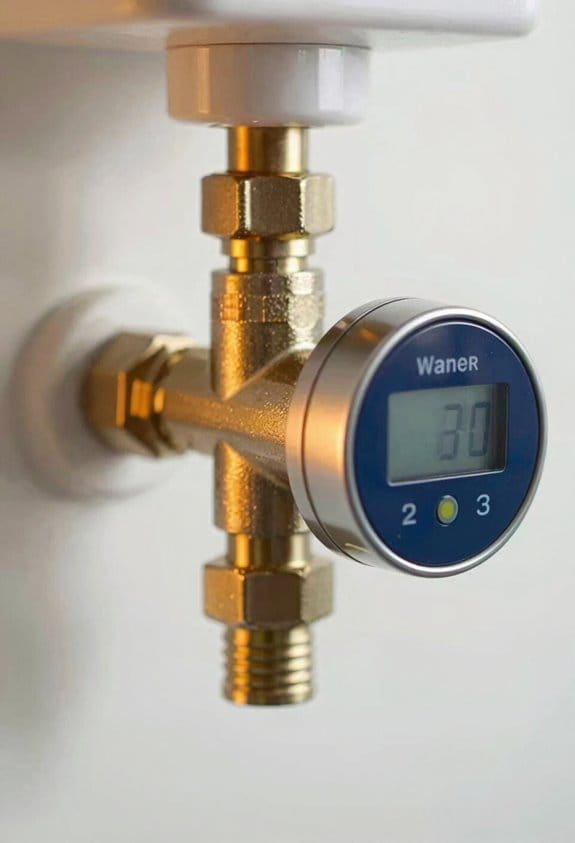
Now that you understand your water’s specific contaminants, you’ll need to decide how to treat them—and that choice largely depends on whether you want to filter water throughout your entire home or just at certain taps where you need it most.
Whole house vs. POU systems represent two fundamentally different approaches. Point-of-Use filters, like under-sink or countertop models, treat water at specific locations, making them ideal for targeted problems like lead in your kitchen tap. They’re DIY-friendly and require minimal installation complexity.
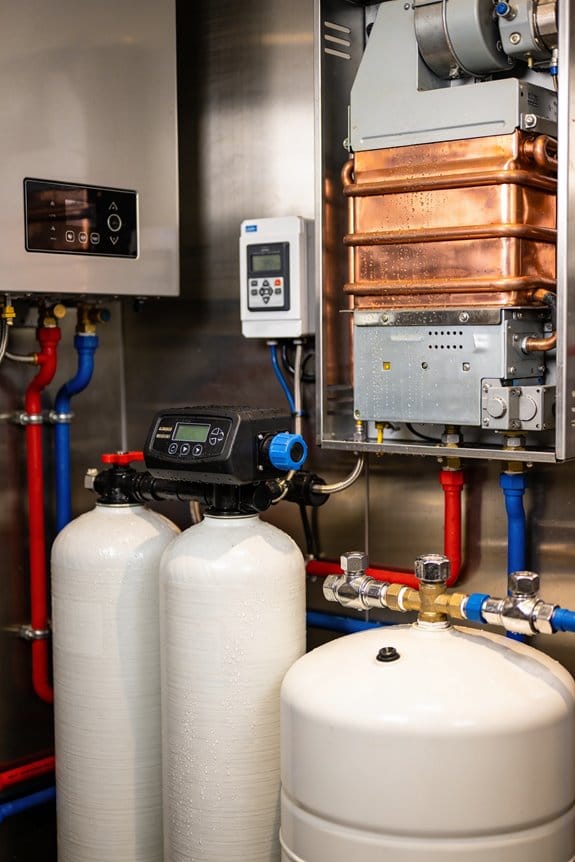
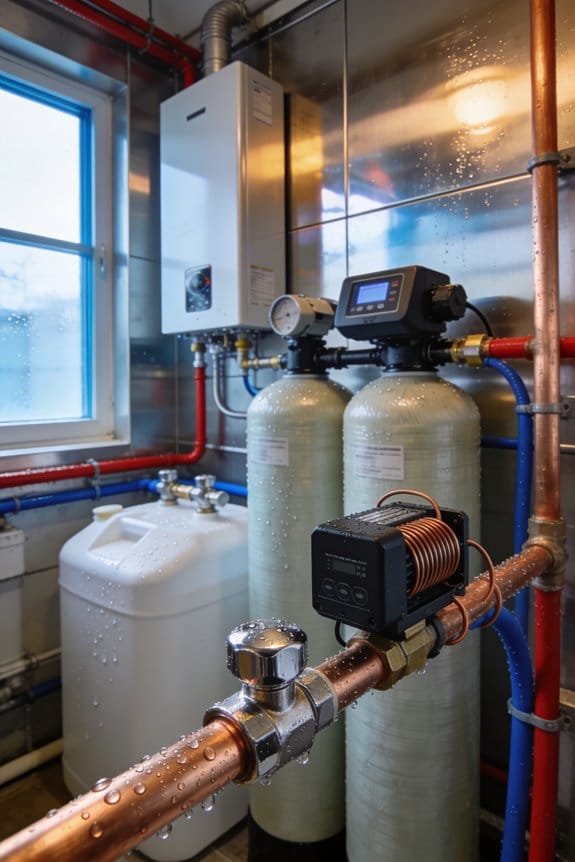
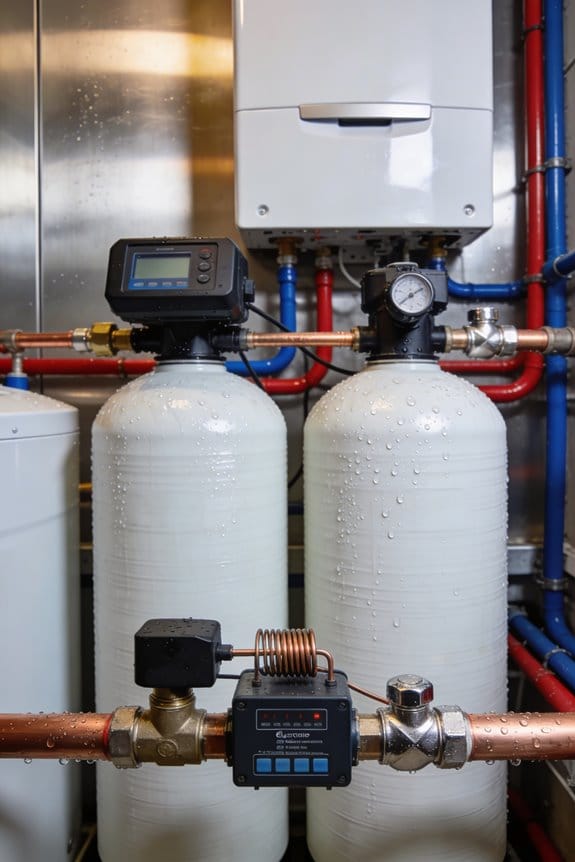
Whole-house systems treat all incoming water, requiring professional installation near your water meter. While installation complexity increases markedly, they protect your entire plumbing and appliances simultaneously. Choose based on whether your contaminants affect all water sources or only drinking and cooking water.
Match Water Filter Technology to Your Contaminants
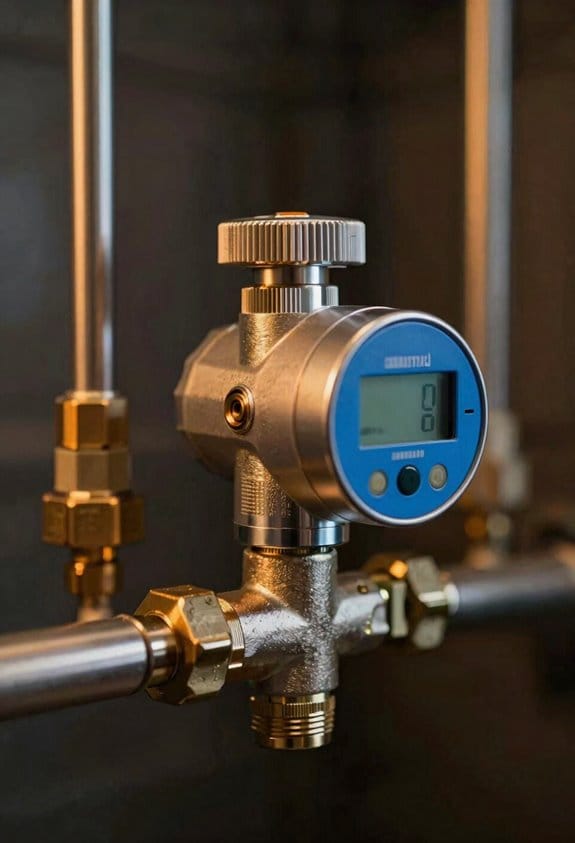
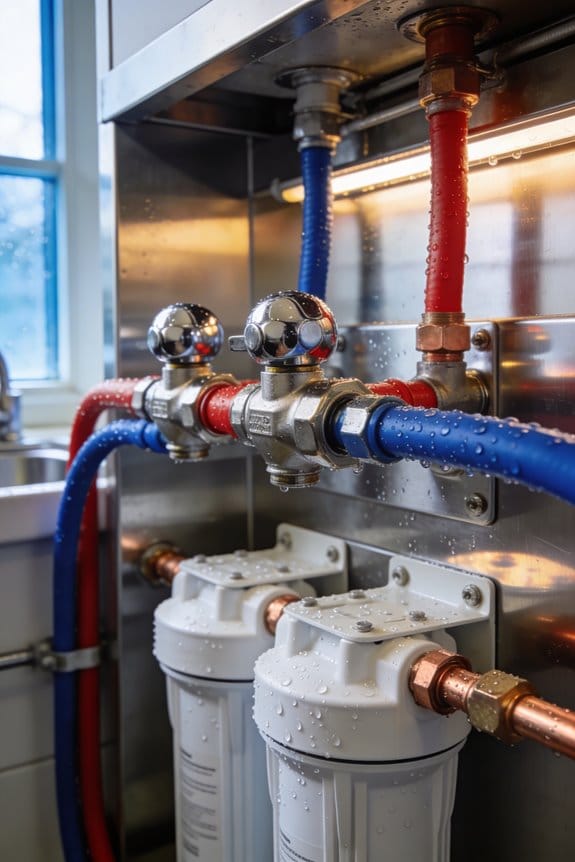
Different filtering technologies excel at removing different contaminants, so your water quality report becomes your guide for selecting the right system. Activated carbon filters work well for chlorine and odors, while reverse osmosis removes heavy metals and PFAS effectively. If bacteria concern you, UV systems or ultrafiltration prevent microbial regrowth by eliminating microorganisms. Understanding your specific contaminants helps you avoid paying for unnecessary technology. Consider filter lifespan when budgeting, since replacement costs accumulate over time. A three-stage under-sink system might combine carbon, sediment, and specialized stages to address multiple issues simultaneously. Match your chosen technology directly to your test results, ensuring you’re investing in solutions that actually tackle your water’s particular problems rather than treating generic concerns.
Check Certifications: What the Labels Actually Guarantee
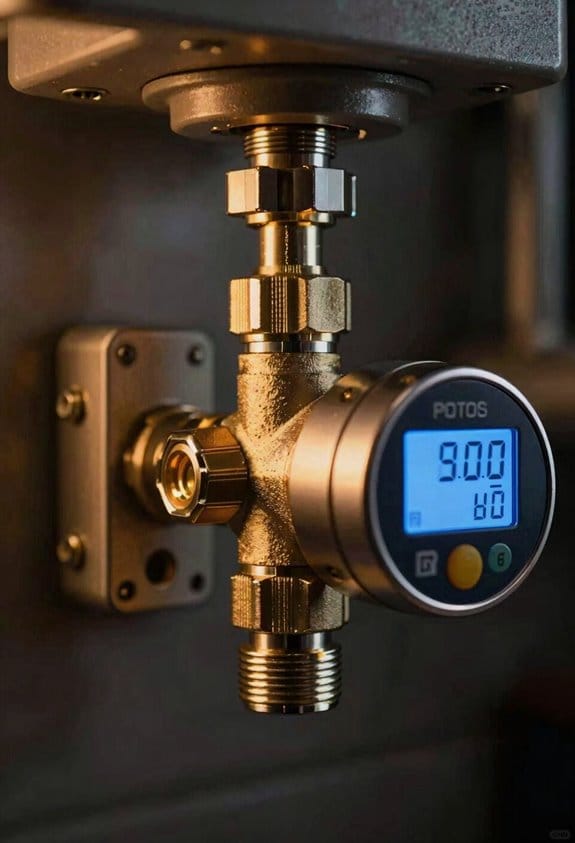
When you’re comparing water treatment systems at the store or online, you’ll notice various certification labels and badges displayed on product packaging, which can make choosing between options feel overwhelming without understanding what they actually mean. NSF meanings matter because NSF/ANSI certifications verify that a system actually removes the contaminants claimed on its label. Label testing by independent organizations guarantees products meet specific performance standards for substances like lead, PFAS, and arsenic. When you see an NSF certification, you know third-party experts tested that particular system under controlled conditions. This verification protects you from misleading marketing claims. Always check which specific contaminants the certification covers, since one label doesn’t guarantee removal of all water issues your home might face.
Calculate Filter Replacement Costs and Maintenance
Accounting for ongoing filter replacements separates realistic budgeting from sticker-shock surprises, since even the most affordable water treatment system becomes expensive if replacement filters cost more than the original investment. I recommend tracking warranty details and manufacturer information for your specific model, as filter costs vary considerably across brands and system types. Under-sink systems typically require filter changes every three to six months, while whole-house units may last longer depending on water quality and usage. Create a replacement budgeting spreadsheet that calculates annual maintenance expenses, then compare this total against your initial purchase price. Some systems offer filter subscription services that reduce per-unit costs through bulk purchasing. Factor these recurring expenses into your overall decision, ensuring your chosen system remains affordable throughout its lifespan.
Figure Out What Installation Actually Requires (and Costs)
Installation requirements vary dramatically between system types, which means you’ll need to understand what each option demands before committing to a purchase. Point-of-use systems like under-sink filters or pitchers require minimal setup—you’ll just need space and basic connections. Whole-house systems demand professional installation near your water entry point, potentially involving permit timelines that can extend your project by weeks. You’ll also need to take into account electrical needs if your system requires power for UV treatment or reverse osmosis operation. Budget accordingly for professional labor costs, which typically range from several hundred to thousands of dollars. Understanding these installation complexities upfront helps you choose a system that fits both your home’s infrastructure and your timeline, preventing costly surprises later.
Compare Flow Rate and Water Pressure Impact
You’ll want to evaluate how your chosen water treatment system affects the flow rate and pressure of water coming from your taps, since many filtration technologies can markedly reduce water speed. Reverse osmosis systems, for example, filter slowly and may require pump compatibility adjustments to maintain adequate pressure throughout your home.
Before installing a whole-house system, consider your existing pipe sizing and water main capacity. Under-sink filters typically cause minimal pressure loss at individual faucets, while point-of-entry systems demand careful evaluation to prevent widespread low pressure issues.
Check manufacturer specifications for flow rate ratings, measured in gallons per minute. Matching your system’s capacity to your home’s demands guarantees you won’t experience frustrating pressure drops during peak usage times, protecting both comfort and appliance performance.
What Maintenance Schedule Fits Your Lifestyle?
Once you’ve selected a system that maintains adequate water pressure in your home, maintaining that system becomes your next consideration. Different systems require varying levels of commitment. Pitcher filters need monthly replacements, while under-sink models typically require filter changes every six months. Whole-house systems demand more attention; they benefit from weekly checks to monitor pressure gauges and seasonal flushing to remove accumulated sediment. If you’re busy, a simpler pitcher or faucet filter might suit your lifestyle better, even though you’ll replace filters more frequently. Conversely, if you prefer handling maintenance tasks, a whole-house system offers all-encompassing protection. Consider your schedule honestly when choosing, since neglected filters reduce effectiveness and can compromise water quality markedly.
Frequently Asked Questions
How Long Does Reverse Osmosis Water Treatment Typically Take to Filter a Gallon?
I’ll be brutally honest—reverse osmosis filters water at a glacially slow pace, sometimes taking hours to produce a single gallon. The flow rate depends on your membrane lifespan and system pressure, but expect patience as a virtue here.
Can a Single Water Filter Remove All Contaminants From My Tap Water?
No, I can’t rely on a single filter for all contaminants. You’ll need multiple technologies—like carbon for chlorine and RO for heavy metals. I’d recommend matching point-of-use or whole-home systems to your specific water test results.
How Much Wastewater Does Reverse Osmosis Produce During the Filtration Process?
I’ll be candid: reverse osmosis systems generate significant environmental byproducts. You’re looking at a 3-5 gallon wastewater ratio per filtered gallon—that’s your brine disposal challenge. It’s the efficiency trade-off you’ll face.
Should I Choose a Portable Pitcher or a Permanent Under-Sink System?
I’d choose based on your needs. Pitchers offer portability and lower upfront cost under $100, while under-sink systems provide permanent filtration with superior installation flexibility and better contaminant removal through cost comparison analysis.
Will Installing a Water Softener Save Money on Appliance Replacement Long-Term?
Yes, I’d say a softener’s upfront cost versus replacing appliances early creates a clear trade-off. Hard water damages pipes and fixtures fast, but softeners require ongoing maintenance. You’ll likely save money on appliance longevity and maintenance savings over time.