As an Amazon Associate, we earn from qualifying purchases. Some links on this site are affiliate links at no extra cost to you. Our recommendations are based on thorough research and editorial judgment.

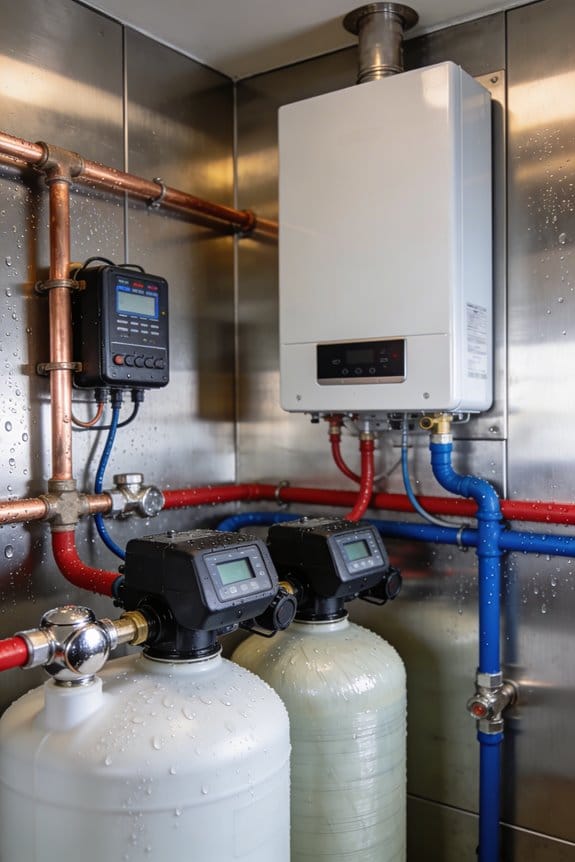
What Causes Sediment Buildup in a Water Heater Tank?

Sediment buildup happens when minerals in your water—like calcium and magnesium—precipitate and settle at the bottom of your tank when heated. Hard water contains more minerals, so it creates faster accumulation. Higher thermostat settings accelerate this process markedly; experts recommend keeping yours between 120–130°F. Your region matters too: areas with iron and manganese in groundwater experience extra deposits. This sediment insulates your heating element, wastes energy, and reduces hot water supply. Understanding what drives this buildup helps you tackle prevention effectively.
Key Takeaways
- High mineral content in source water precipitates and accumulates as sediment on tank surfaces.
- Heat-induced crystallization transforms dissolved minerals like calcium and magnesium into solid deposits.
- Tank temperatures above 140°F accelerate mineral buildup; 120–130°F is the recommended setting.
- Lack of water softener allows minerals to enter the tank unchecked and settle.
- Frequent reheats and thermostat cycling promote repeated mineral precipitation and sediment formation.
Signs Your Tank Has a Sediment Problem
You’ll often notice several warning signs that sediment’s accumulating in your water heater tank, and catching these early can help you avoid bigger problems down the road. Discolored water—appearing yellow, brown, or rusty—indicates particles flowing from your tank into your pipes. You might hear rattling pipes when hot water runs, which occurs as sediment shifts and collides inside the tank during heating. Another sign is reduced hot water supply, since sediment displaces storage capacity. If your water heater takes longer to heat water or makes popping and cracking sounds, sediment’s likely insulating the heating element. Some people also notice a metallic taste or smell in their hot water, suggesting corrosion and rust particles from the tank’s interior lining.
Hard Water Minerals: Why They Settle in Your Tank

When water containing high levels of calcium and magnesium passes through your water heater, these minerals don’t stay dissolved once the temperature rises. As heat increases, mineral precipitation accelerates, causing scale formation along your tank’s interior surfaces and heating element. This process creates mineral layering, where deposits build in distinct bands as sediment accumulates over time.
The minerals separate from water molecules during heating, settling toward the tank bottom. In areas with naturally hard water, this buildup happens faster because more calcium and magnesium are present. The sediment layer insulates your heating element, forcing it to work harder and consume more energy. Understanding this process helps you recognize why regular tank maintenance prevents costly damage and maintains your water heater’s efficiency.
How Heat Accelerates Mineral Precipitation
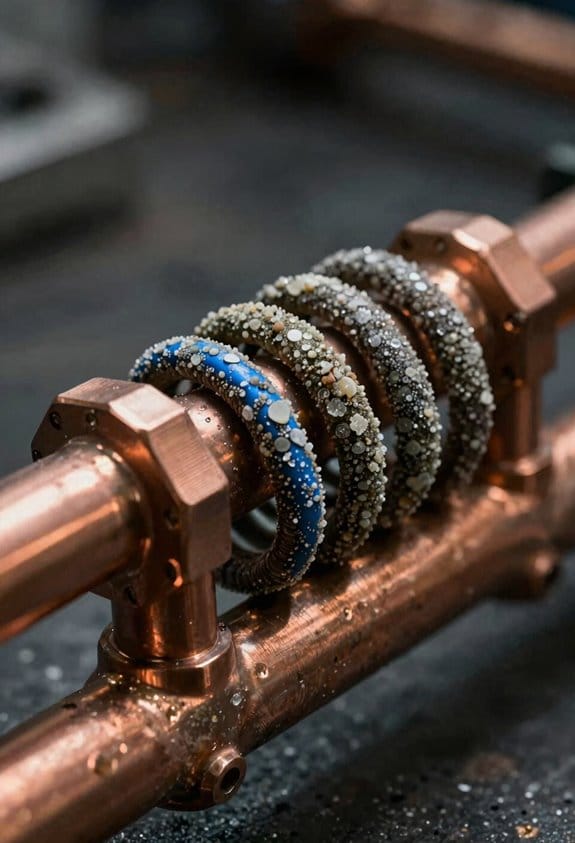
The temperature inside your water heater tank plays a critical role in how quickly minerals build up on the bottom and sides. When water heats, calcium and magnesium minerals undergo heat induced crystallization, meaning they transform from dissolved particles into solid deposits. This process happens because higher temperatures cause solubility decline, which means minerals can’t stay dissolved in hot water the way they do in cold water. As the heating element warms your water, these separated minerals fall to the tank bottom, forming layers of sediment. The hotter your tank’s temperature setting, the faster this precipitation occurs. Over time, this accumulation reduces your tank’s storage capacity and can damage the heating element itself.
Why Local Water Quality Determines Your Sediment Buildup
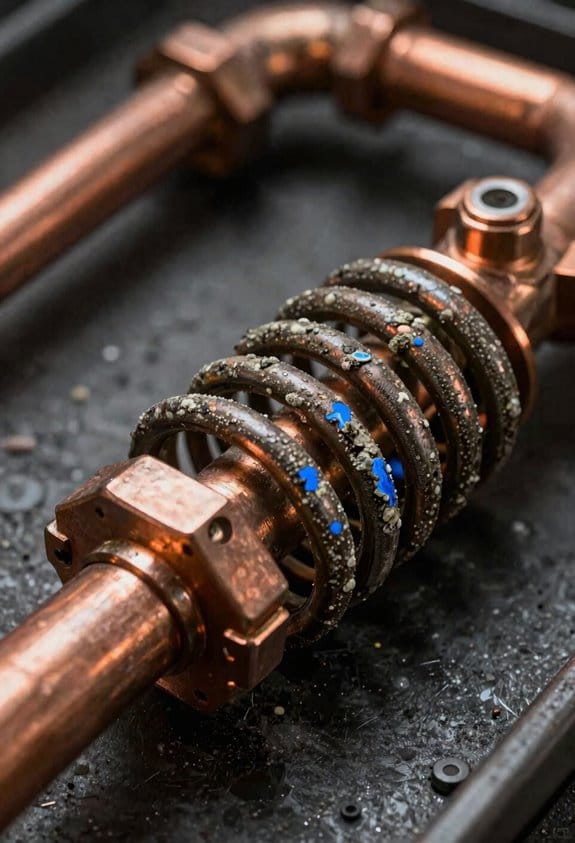
Because sediment formation depends heavily on what minerals exist in your water supply, where you live noticeably affects how quickly buildup occurs in your tank. Hard water areas with high calcium and magnesium content experience faster accumulation than regions with softer water. Some locations, like Jacksonville, have naturally elevated iron and manganese levels that worsen sediment deposits. Water source testing can reveal your local mineral content and help you understand your tank’s vulnerability. Seasonal variations also matter—certain times of year may bring higher mineral concentrations. If you’re unsure about your water quality, contacting your local water utility provides detailed reports. Understanding these factors helps you anticipate maintenance needs and take preventive action before sediment becomes problematic.
Iron and Manganese: Regional Causes of Extra Sediment

While water hardness from calcium and magnesium explains most sediment problems, certain regions face an additional challenge that speeds up tank deterioration even faster. In areas like Jacksonville, naturally high levels of iron and manganese in the water supply create extra deposits that compound your sediment issues. These minerals enter your home through the aquifer iron present in local groundwater sources. When heated, iron and manganese particles precipitate more aggressively than typical hard water minerals, accelerating buildup rates markedly. Jacksonville deposits showcase how regional water chemistry directly impacts your tank’s lifespan. If you live in an area with elevated iron and manganese content, you’ll notice sediment accumulation happening faster than national averages suggest, requiring more frequent maintenance to prevent heating element damage.
How Sediment Reduces Tank Storage and Efficiency
Sediment accumulation silently steals your water heater’s capacity and efficiency by creating a physical barrier between the heating element and your water supply. When sediment layers build up, they reduce capacity by physically displacing the water your tank can hold. A 50-gallon tank might effectively store only 40 gallons once sediment settles at the bottom.
This buildup causes thermal inefficiency because the sediment layer insulates the heating element, forcing it to work harder and longer to reach desired temperatures. Your heater compensates by overheating, consuming more energy and increasing utility bills. Additionally, particles shift with water movement, potentially clogging valves and reducing hot water flow. Regular flushing prevents these problems, maintaining both storage capacity and heating performance.
Corrosion and Bacteria Growth in Sediment Layers
As sediment accumulates at the bottom of your water heater tank, it creates conditions that threaten both the tank’s structural integrity and your water quality. The sediment layer traps moisture against the steel lining, which causes metal pitting—small holes that form when corrosion eats through the protective surface. This damage weakens the tank and can eventually lead to leaks.
Additionally, the sediment layer creates an ideal environment for anaerobic biofilms, which are bacterial colonies that grow without oxygen. These biofilms thrive in the undisturbed sediment and can compromise water safety. The combination of corrosion and bacterial growth means that flushing your tank regularly isn’t just about efficiency—it’s essential for protecting both your equipment and your household’s water quality.
How to Flush Your Tank and Prevent Accumulation
Removing sediment from your water heater requires a straightforward flushing process that you can perform yourself, though you’ll need to follow careful steps to do it safely and effectively. First, turn off the power and let the tank cool, then attach a garden hose to the drain valve and direct water into a bucket or floor drain. Open the valve and let water flow until it runs clears which removes accumulated particles. For routine maintenance, I recommend flushing your tank annually, especially in hard water areas. Additionally, consider anode replacement every three to five years, as this sacrificial rod prevents rust and extends tank life. These preventive measures greatly reduce sediment buildup and corrosion problems.
Thermostat Settings That Speed Up Sediment Formation
One of the most overlooked factors in sediment accumulation is your water heater’s thermostat setting, which directly controls how quickly minerals precipitate in your tank. When you set a higher thermostat, you’re fundamentally accelerating the chemical process that separates minerals from water molecules. I’ve found that every degree increase speeds up mineral separation markedly.
Most problematic are frequent reheats, which occur when your thermostat cycles the heating element repeatedly throughout the day. Each heating cycle creates ideal conditions for calcium and magnesium to solidify. If your setting sits above 140°F, you’re actively promoting faster sediment formation. I recommend keeping your thermostat between 120-130°F, which balances hot water availability while minimizing mineral precipitation and energy waste.
How Often You Should Flush Based on Water Hardness
Water hardness directly determines your flushing schedule, since areas with higher mineral content require more frequent maintenance to prevent excessive sediment accumulation. If you live in a region with very hard water, I’d recommend flushing your tank every 6 months rather than waiting a full year. In moderately hard water areas, annual flushing typically suffices to manage buildup effectively. However, if you’ve installed a water softener, you can extend intervals between flushes since the softener maintenance reduces minerals entering your tank. You should monitor your hot water quality and pressure regularly—declining performance signals sediment problems regardless of your area’s water hardness. Regular flushing protects your heating element and extends your tank’s lifespan greatly.
Frequently Asked Questions
Can Sediment Buildup in My Water Heater Cause Health Problems or Contamination?
Your tank’s sediment layer acts as a breeding ground where I’ve seen microbial growth flourish and heavy metals concentrate, potentially contaminating your water supply and posing health risks if left unaddressed.
What Is the Average Cost to Professionally Remove Sediment From a Water Heater Tank?
I’d say you’re looking at $150-$300 for professional costs to flush your tank. Service fees vary by location and your heater’s condition, but most plumbers charge hourly rates between $100-$200 plus any additional repairs needed.
Will Flushing My Tank Void the Manufacturer’s Warranty or Service Agreement?
Studies show 80% of warranty issues stem from neglect. I’d recommend checking your manufacturer’s documentation—regular flushing typically won’t void coverage. However, improper flushing can create service implications, so follow guidelines carefully to maintain protection.
Can I Use Chemical Additives to Dissolve Sediment Instead of Manual Flushing?
You can try chemical descalers or enzyme treatments, but I’d recommend flushing too. These additives help dissolve some buildup, yet manual flushing removes stubborn sediment more effectively and completely.
How Long Does Sediment Damage Take to Make a Tank Irreparable or Unsafe?
I’d say sediment typically damages your tank over years to decades, though accelerated corrosion can shorten that timeline markedly. In hard water areas, you’re looking at faster deterioration since mineral buildup intensifies rust formation.