As an Amazon Associate, we earn from qualifying purchases. Some links on this site are affiliate links at no extra cost to you. Our recommendations are based on thorough research and editorial judgment.

The Rise of Salt-Free Water Treatment: Why Eco-Friendly Systems Are Growing Fast

Salt-free water softening systems are gaining popularity because they transform hardness minerals into harmless crystals rather than removing them entirely. Unlike traditional salt-based softeners that strip minerals and require chemical regeneration, these eco-friendly alternatives use template crystallization technology to prevent scale buildup while preserving calcium and magnesium your body needs. They’re cheaper to maintain, require no electricity or salt bags, and eliminate wastewater concerns, making them attractive to environmentally conscious homeowners seeking long-term savings and health benefits. The details behind their effectiveness and advantages reveal why this technology continues reshaping the water treatment industry.
Key Takeaways
- Salt-free systems use template crystallization to transform hardness minerals into harmless crystals without removing beneficial minerals or requiring sodium regeneration.
- These eco-friendly systems eliminate brine waste, reduce water usage, and avoid salt bag disposal issues associated with traditional water softeners.
- Installation is quick with minimal plumbing modifications, requiring low maintenance, minimal electricity, and fewer moving parts than conventional systems.
- Smart-enabled salt-free water treatment features IoT diagnostics, real-time monitoring, leak detection, and automated filter alerts for enhanced efficiency.
- Salt-free installations increase home resale value by 5-10% while saving homeowners $3,000-5,000 over ten years in maintenance and operational costs.
How Salt-Free Water Softening Actually Works
Unlike traditional water softeners that rely on salt to remove hardness minerals through an ion exchange process, salt-free systems take a fundamentally different approach by altering how those minerals behave rather than removing them entirely. These systems primarily use template crystallization, a method where hardness minerals like calcium and magnesium transform into harmless crystals that can’t stick to pipes or fixtures. Another common technology involves catalytic alteration, which changes mineral structure through physical or chemical interaction. Both approaches prevent scale buildup without eliminating beneficial minerals from your water. The result is softened water that maintains health-promoting minerals while protecting your plumbing and appliances from damage, all without the waste, maintenance cycles, or salt regeneration that traditional systems require.
Does It Remove Hardness Minerals: And Should It?
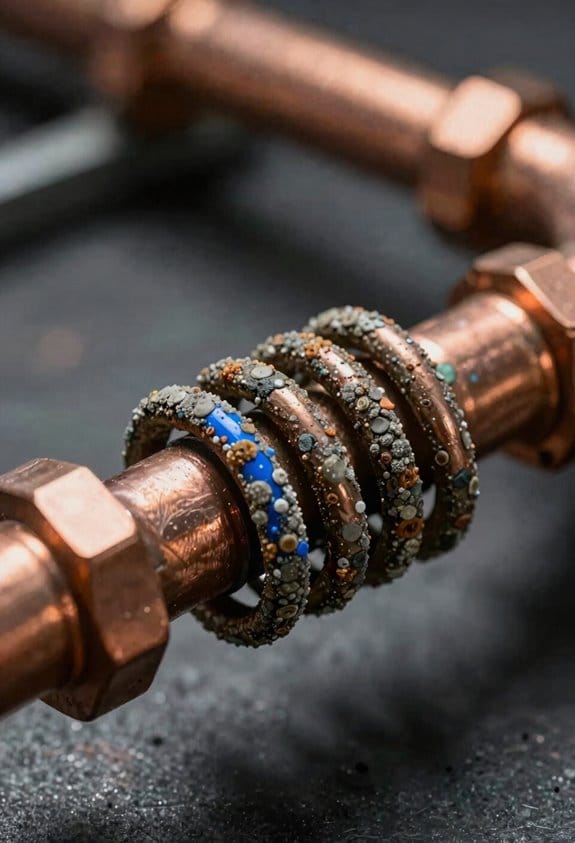
A key question that often comes up when people consider salt-free systems is whether they actually remove hardness minerals from water, and more importantly, whether that removal is even necessary for your home and health.
Salt-free systems don’t remove hardness minerals like calcium and magnesium; instead, they transform these minerals into crystalline structures that won’t stick to pipes and fixtures. This approach maintains mineral balance, which is beneficial because calcium and magnesium support bone health and bodily functions.
Traditional softeners strip minerals completely, requiring sodium replacement. Salt-free alternatives preserve these nutrients while protecting plumbing longevity by preventing scale buildup. This dual benefit explains why health-conscious homeowners increasingly prefer systems that condition rather than remove minerals from their water.
Why Health-Conscious Homeowners Prefer Mineral-Retaining Systems
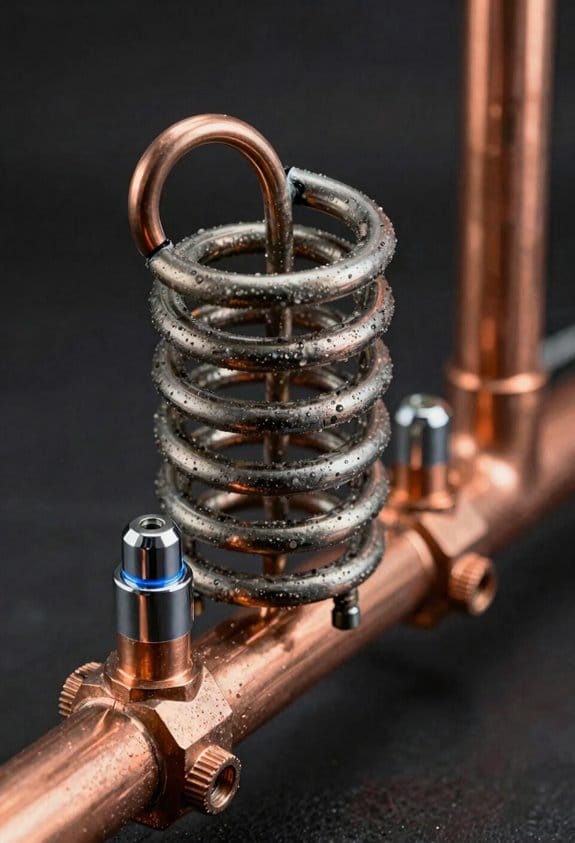
Choosing a water treatment system involves weighing health benefits against convenience, and mineral-retaining systems offer distinct advantages that appeal to health-conscious homeowners. Traditional salt-based softeners remove hardness minerals entirely, which concerns many people seeking mineral benefits like calcium and magnesium. These minerals support bone health and cardiovascular function, making their retention valuable. Salt-free systems address sodium concerns by avoiding the sodium chloride regeneration process altogether. Instead of exchanging minerals for salt, these systems condition water by altering mineral structure to prevent scaling. This approach preserves essential minerals while eliminating the sodium buildup that traditional softeners introduce. For families prioritizing health without sacrificing water quality, mineral-retaining systems represent a balanced solution that maintains both safety and wellness.
Salt-Free Systems Eliminate Scale Without Chemicals
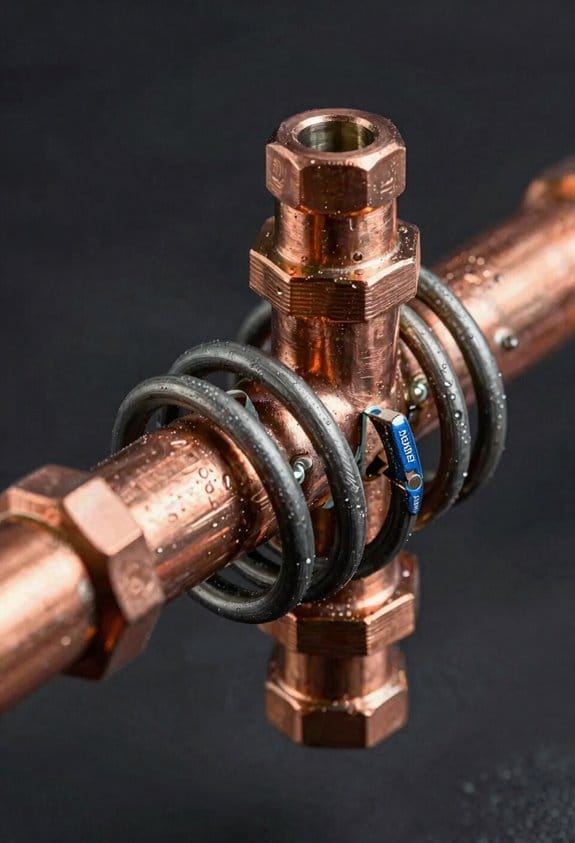
Salt-free water treatment systems break down the scale problem by using physical or catalytic methods rather than chemical reactions, which sets them apart from traditional softening approaches. These systems employ crystal nucleation and surface templating technologies to transform hardness minerals into harmless crystals that won’t stick to your pipes and fixtures. Rather than removing minerals entirely, the systems alter their structure, preventing scale buildup naturally. Template Assisted Crystallization, or TAC, represents the leading technology in this category. When water passes through the TAC media, minerals undergo crystal nucleation, becoming suspended particles that flow harmlessly through your plumbing. This approach eliminates the need for salt, chemicals, or regeneration cycles while protecting your home’s water infrastructure effectively.
Installation and Maintenance: Easier Than Salt-Based Softeners
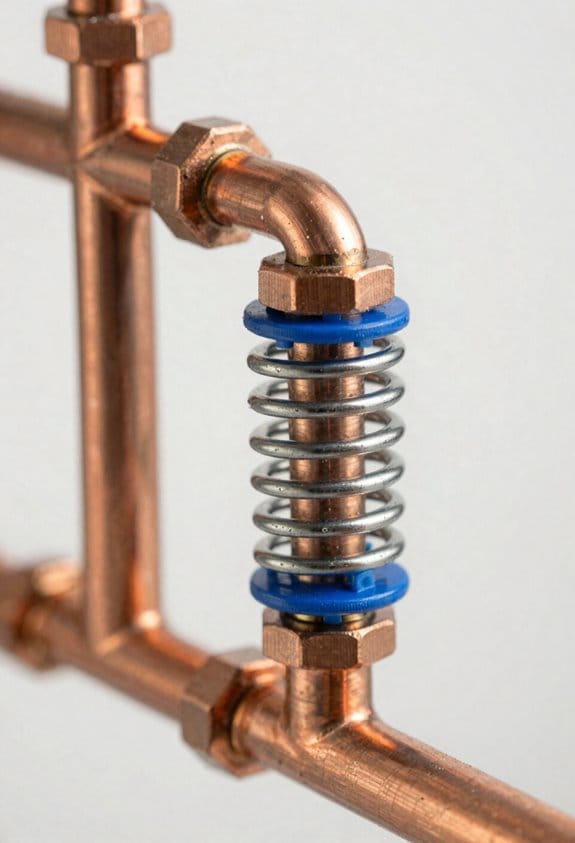
One of the most compelling advantages of salt-free water treatment systems is how dramatically simpler they are to install and maintain compared to traditional salt-based softeners. Quick setup means you won’t need extensive plumbing modifications, since these systems integrate directly into your water line without requiring complex infrastructure changes. Low upkeep is another major benefit—you’ll skip the regeneration cycles that salt-based models demand. There’s no need to purchase and haul heavy salt bags, and you won’t spend time monitoring chemical levels. These systems require minimal electricity and don’t produce brine waste needing disposal. Their straightforward design means fewer moving parts that could fail, translating to reduced maintenance calls and lower long-term costs for homeowners seeking hassle-free water treatment solutions.
The Real Cost Savings Over 10 Years
When you calculate the total expenses of owning a water treatment system over a decade, the financial advantages of salt-free systems become remarkably clear. Salt-free systems save homeowners $300-500 annually on maintenance costs, which adds up to $3,000-5,000 over ten years. Unlike traditional softeners requiring ongoing salt purchases and regeneration cycles, salt-free units need minimal upkeep. You’ll avoid expensive repair bills from corrosion and scaling damage that salt systems sometimes cause. Additionally, these systems use less electricity, reducing your utility bills further. The lifetime savings extend beyond direct expenses—your home value increases by 5-10%, making salt-free systems a smart long-term investment that pays dividends both immediately and when you eventually sell.
Smart Water Softeners With Real-Time Monitoring
Beyond the immediate financial benefits and reduced maintenance demands, today’s water softeners are becoming smarter through technological innovation. Modern systems now feature IoT diagnostics that let you monitor your equipment from anywhere using your smartphone. These connected devices track usage analytics, showing exactly how much water you’re using and when peak consumption occurs. By analyzing this data, you can identify leaks early and adjust your habits to conserve resources. Wi-Fi-enabled models from companies like Culligan and EcoWater Systems send alerts when filters need replacement or issues arise. This real-time monitoring transforms water treatment from a passive system into an active management tool, helping you optimize performance while reducing waste and costs simultaneously.
How Salt-Free Systems Boost Home Value
As you consider upgrades to your home, installing a salt-free water treatment system represents one of the smartest investments you can make for both your property’s value and your wallet. These systems boost home value by 5-10%, making them attractive to potential buyers who prioritize sustainability and lower maintenance costs. When you install a salt-free system, you’re creating increased resale appeal because buyers recognize the long-term savings—approximately 300-500 dollars annually on maintenance and energy expenses. Salt-free systems enhance curb appeal by eliminating visible salt bags and reducing environmental concerns that today’s eco-conscious homeowners consider important. The combination of environmental responsibility, reduced operating costs, and minimal upkeep makes your property more marketable and valuable to future purchasers.
Frequently Asked Questions
What Government Regulations Are Driving the Shift Away From Salt-Based Water Softeners?
I’ve seen state mandates like California’s salt discharge restrictions fundamentally reshape the water softening industry. These discharge restrictions on brine waste force consumers toward salt-free alternatives, making eco-friendly systems the only compliant choice.
How Do Salt-Free Systems Compare in Performance to Traditional Salt-Based Softeners?
I’ll level with you—salt-free systems aren’t the iron-fisted ion exchange powerhouses traditional softeners are, but they’re champions at slashing maintenance costs while protecting your pipes from scaling without the chemical regeneration cycle.
Which Salt-Free Technology Is Most Effective: TAC, Magnetic, or Electronic Treatment?
I’d say TAC effectiveness dominates the salt-free market because it’s scientifically proven and NSF-certified, while magnetic skepticism persists due to limited independent validation. Electronic treatment falls between them in reliability and adoption rates.
What Is the Typical Lifespan and Replacement Schedule for Salt-Free System Components?
Ever wondered why salt-free systems need fewer replacements? I’ve found that component lifespan typically spans 5-10 years, with minimal maintenance schedules required—just pre-filter changes annually and occasional media replacement, making them remarkably cost-effective long-term.
Are Salt-Free Systems Suitable for Extremely Hard Water or Specific Water Conditions?
I’d say salt-free systems work well for most conditions, but they’re most effective in moderately hard water. For extreme hardness, you’ll need to combine TAC technology with pre-filtration to prevent mineral scaling buildup.