As an Amazon Associate, we earn from qualifying purchases. Some links on this site are affiliate links at no extra cost to you. Our recommendations are based on thorough research and editorial judgment.

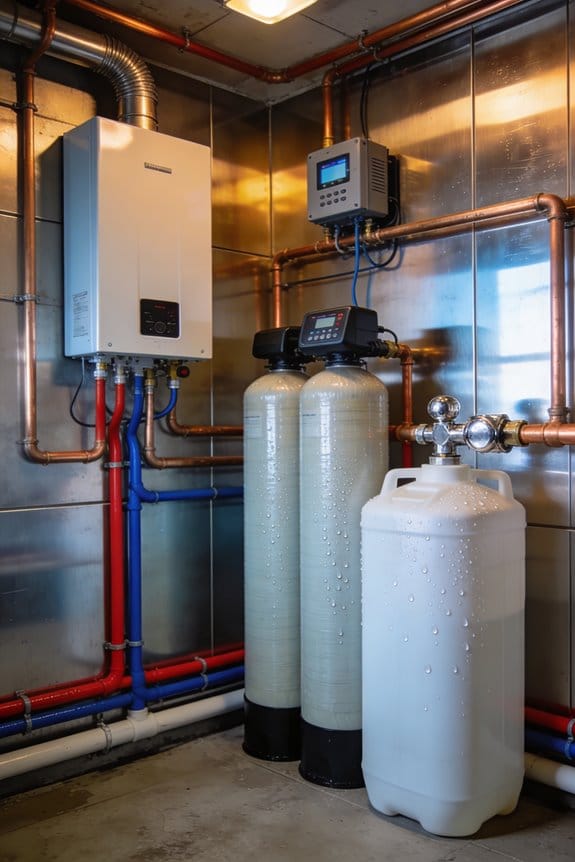
Why Does My Hot Water Smell Like Rotten Eggs?

That rotten egg smell comes from hydrogen sulfide gas, produced by sulfur-reducing bacteria thriving in your water heater’s warm, oxygen-poor environment. These anaerobic bacteria feed on sediment and minerals, particularly when your magnesium anode rod corrodes. The bacteria multiply in stagnant water, especially in well water without chlorine treatment. You can try replacing the anode rod with aluminum or flushing the tank, though persistent odors may require professional chlorine shock treatments or advanced solutions to fully eliminate the problem.
Key Takeaways
- Hydrogen sulfide gas produced by sulfur-reducing bacteria in low-oxygen water heater environments causes rotten egg odor.
- Magnesium anode rods react with sulfates, accelerating hydrogen sulfide production and intensifying the smell.
- Warm, stagnant water and sediment buildup create ideal breeding conditions for anaerobic bacteria in tanks.
- Well water without chlorine treatment allows sulfur-reducing bacteria to flourish unchecked in your water heater.
- Replacing magnesium anode rods with aluminum or zinc alternatives reduces odor while maintaining corrosion protection.
Diagnose the Problem: Heater or Water Supply?
Before you take steps to fix the rotten egg smell coming from your hot water, you’ll need to figure out whether the problem originates in your water heater or in your home’s water supply.
Start by testing both hot and cold water from the same faucet. If only hot water smells like rotten eggs, your water heater is the culprit. If both smell equally bad, the issue likely stems from your water supply itself, possibly involving check valves or pressure fluctuations that allow contamination.
Well water without chlorine treatment is particularly susceptible to sulfur-reducing bacteria. You can also check other hot water taps throughout your home to confirm the pattern. This simple diagnostic step determines whether you need heater maintenance or whole-house water treatment.
What Causes That Rotten Egg Smell in Hot Water
Once you’ve confirmed that your hot water heater is the source of the odor, you’ll want to understand what’s actually causing that unpleasant smell. The culprit is hydrogen sulfide gas, which produces that distinctive rotten egg odor. Inside your water heater tank, sulfur-reducing bacteria thrive in oxygen-poor environments, converting sulfates into hydrogen sulfide. Your anode rod, designed to protect plumbing materials from corrosion, can actually accelerate this process. Magnesium anode rods react with water sulfates through chemical reactions, intensifying H2S production. Additionally, municipal chemistry affects this issue—water with higher sulfate content feeds bacterial growth. Warm, stagnant water combined with sediment buildup creates ideal conditions for bacteria multiplication. Understanding these factors helps you address the problem effectively.
The Anode Rod: Your Water Heater’s Hidden Culprit
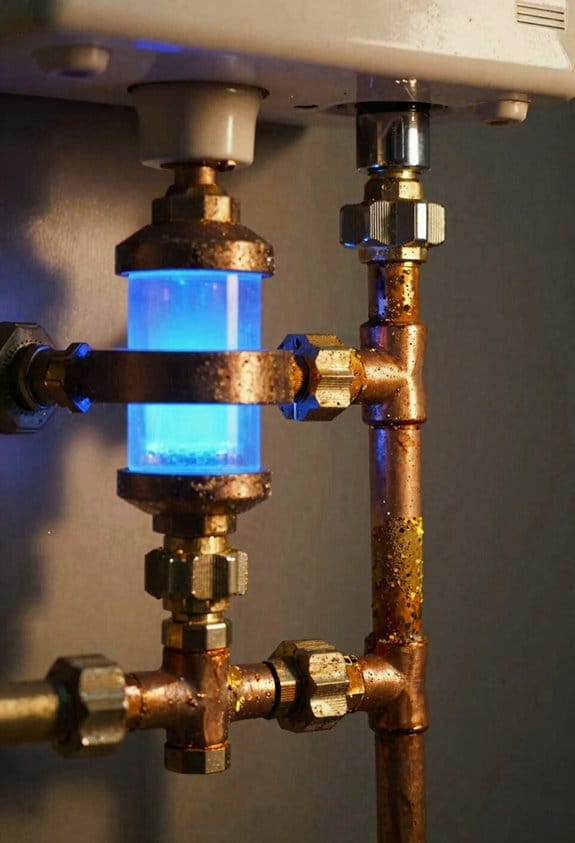
While your water heater’s anode rod serves an important protective function, it can paradoxically become the source of your rotten egg smell problem. The anode rod works through sacrificial chemistry, meaning it corrodes instead of your tank, protecting it from rust. However, magnesium anode rods react with sulfates in your water, producing hydrogen sulfide gas—that distinctive rotten egg odor.
As the anode lifespan decreases and sediment accumulates around it, the rod becomes a breeding ground for sulfur-reducing bacteria. These anaerobic microorganisms thrive in the warm, oxygen-poor environment surrounding corroded metal. The bacteria convert sulfates to hydrogen sulfide gas, intensifying the smell. Replacing your magnesium rod with an aluminum or zinc alternative markedly reduces odor production while maintaining your tank’s corrosion protection.
Why Sulfur-Reducing Bacteria Love Your Hot Water Tank
Understanding why sulfur-reducing bacteria (SRB) thrive in your hot water tank requires looking beyond just the anode rod itself—you need to examine the specific conditions that make your water heater an ideal breeding ground for these microorganisms. Your water heater creates a perfect environment for SRB because it lacks oxygen, which these bacteria actually prefer. Inside the tank, anaerobic biofilms form on surfaces where bacteria cluster together for protection and reproduction. These microorganisms find nutrient sources in sediment, minerals, and corrosion byproducts that accumulate in your heater. The warm, stagnant water combined with low oxygen levels accelerates bacterial growth. Well water without chlorine treatment worsens this problem, since chlorine would normally suppress bacterial populations. This combination makes your water heater effectively a SRB hotel.
DIY Fixes: Replace the Rod or Flush the Tank
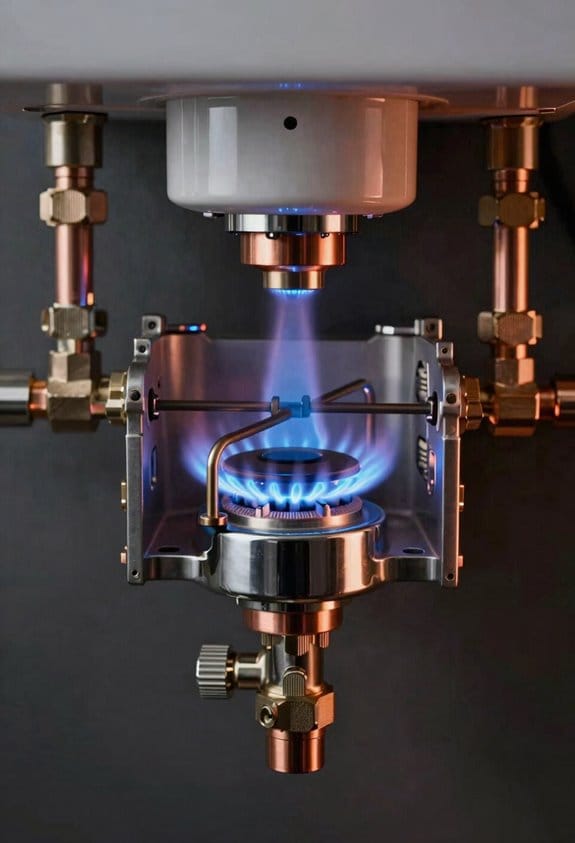
Now that you understand why sulfur-reducing bacteria thrive in your water heater, you can take action by addressing the two most common sources of the rotten egg smell: the anode rod and bacterial buildup inside the tank.
Anode replacement involves removing your old magnesium rod and installing an aluminum or zinc alternative. Magnesium reacts with sulfates to produce hydrogen sulfide, so switching rod types markedly reduces odors. This relatively simple fix takes about an hour and costs under fifty dollars.
Tank flushing eliminates accumulated sediment and bacteria colonies. Connect a hose to your heater’s drain valve and flush several gallons through. For stubborn smells, add chlorine bleach, let it circulate for two hours, then flush thoroughly. These DIY approaches directly target the chemical and bacterial processes creating that unpleasant smell.
Professional Water Heater Treatment for Persistent Odors
Sometimes your DIY efforts don’t completely eliminate the rotten egg smell, which means the sulfur-reducing bacteria or hydrogen sulfide production has become too established for basic fixes to handle. Professional plumbers can perform commercial shock treatments, which use concentrated chlorine solutions to aggressively kill stubborn bacteria throughout your entire system. Another advanced option is ozone treatment, a process that generates ozone gas to oxidize and destroy sulfur compounds and bacteria more thoroughly than standard methods. Professionals also possess specialized equipment to flush your heater completely, removing accumulated sediment that harbors bacteria. They’ll test your water quality before and after treatment, ensuring the problem’s resolved. If your water source itself contains sulfates or bacteria, professionals can recommend whole-house filtration systems that address contamination at the supply level, providing lasting relief.
Frequently Asked Questions
Is Hydrogen Sulfide Gas From Hot Water Dangerous to Breathe or Consume?
I’d say hydrogen sulfide’s health risks depend on exposure levels. At low concentrations, you’ll experience irritation, but high levels can cause respiratory issues. OSHA sets exposure limits at 10 ppm to protect you safely.
Can I Prevent Rotten Egg Smell by Using My Hot Water Regularly?
Yes, regular use helps. Studies show stagnant water promotes bacterial growth by up to 300% within days. I’d recommend regular flushing and consistent hot water usage to prevent sulfate-reducing bacteria from thriving in your tank.
How Often Should I Replace My Water Heater’s Anode Rod?
I’d recommend scheduling an anode inspection every 1-3 years as part of your replacement schedule. Most rods need replacing when they’re half-corroded, though magnesium types deteriorate faster than aluminum alternatives.
Will a Water Softener Help Eliminate the Sulfur Smell From Hot Water?
A water softener won’t directly eliminate sulfur smell since it uses ion exchange for minerals, not H2S gas. You’ll need chlorine injection or replacing your anode rod instead.
Can I Use Vinegar or Other Household Items to Clean My Heater?
I’d recommend against vinegar for your heater tank. Instead, I’d suggest a chlorine bleach flush, which kills sulfur-reducing bacteria effectively. Baking soda won’t address the root cause like bleach will.