As an Amazon Associate, we earn from qualifying purchases. Some links on this site are affiliate links at no extra cost to you. Our recommendations are based on thorough research and editorial judgment.

Template Assisted Crystallization vs. Electronic Descaling: How They Compare

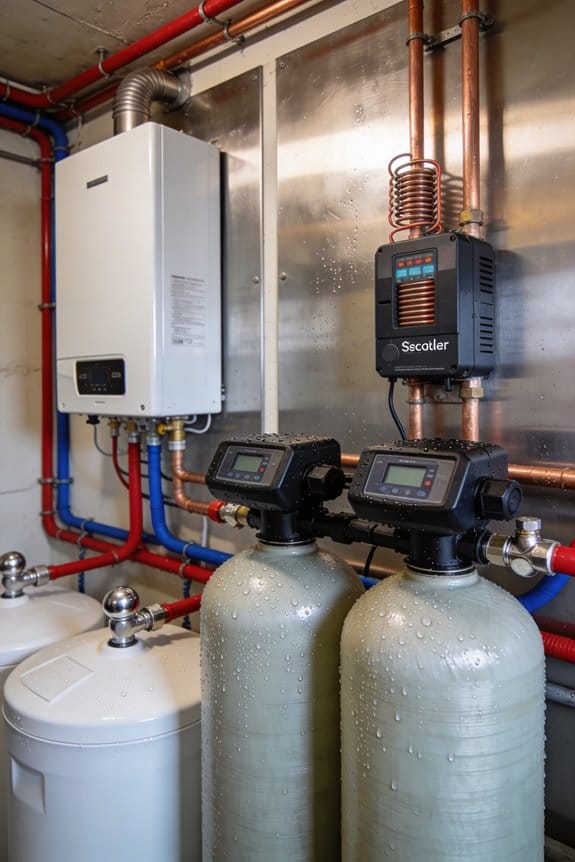
TAC and electronic descaling both prevent scale without removing beneficial minerals, but they work differently. TAC uses ceramic-polymer beads to crystallize minerals so they stay suspended in water rather than sticking to pipes, achieving over 90% reduction. Electronic descaling wraps around existing pipes and uses electromagnetic waves to alter mineral behavior, reducing scale by 50–70%. TAC costs more upfront but delivers superior long-term performance and fewer appliance repairs. Electronic descaling installs easier with lower initial expense, though you’ll likely see residual scaling. Your water’s hardness level and budget determine which suits your home best, and understanding each system’s specifics reveals which investment makes sense for you.
Key Takeaways
- TAC achieves >90% scale reduction through crystallization; electronic descaling reaches 50–70% via electromagnetic polarization.
- TAC requires tank installation with plumbing modifications; electronic descalers wrap around pipes without cutting plumbing.
- TAC costs more upfront but delivers superior long-term savings through fewer appliance repairs and scale buildup.
- Both preserve beneficial minerals without salt or chemicals, unlike traditional water softeners requiring ongoing regeneration.
- TAC suits harder water and those prioritizing maximum scale prevention; electronic descaling fits those favoring simple installation.
Scale Reduction Results: TAC vs. Electronic Descaling Performance
When you’re deciding between TAC technology and electronic descaling systems, the scale reduction results they deliver often become the most important factor in your choice. TAC technology shows measured reductions exceeding 90% according to Arizona State University research, making it the more effective option for preventing limescale buildup. Electronic descaling systems, by comparison, achieve 50-70% scale reduction, which varies depending on your water chemistry and installation setup. Long term studies demonstrate that TAC’s crystallization method consistently outperforms electronic methods. While both systems preserve beneficial minerals without requiring salt or chemicals, TAC’s superior performance makes it the stronger choice if maximum scale prevention is your primary goal.
How TAC and Electronic Descaling Work (And Why It Matters)
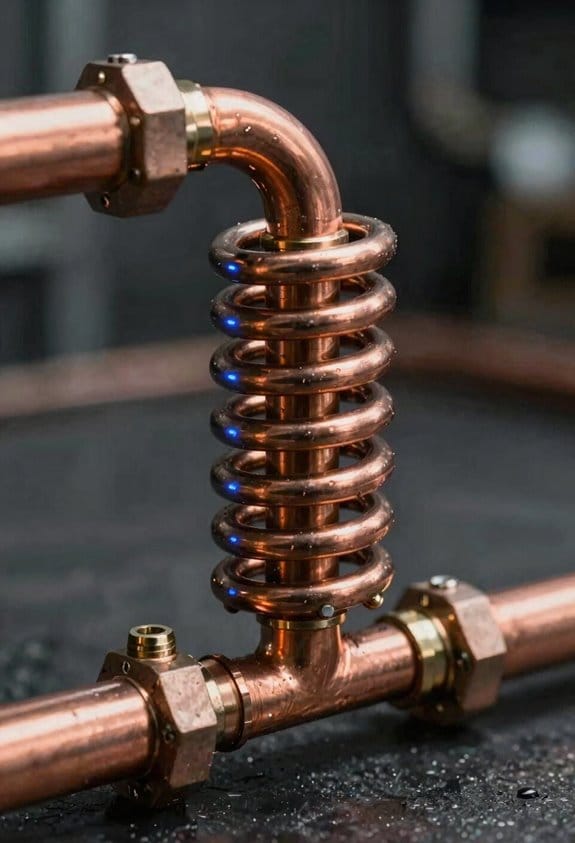
Because these two technologies tackle hard water using completely different methods, understanding how each one functions will help you see why they produce different results. TAC uses nucleation mechanics, where ceramic-polymer beads create tiny surfaces where calcium crystals form and grow. These crystals stay suspended in your water rather than sticking to pipes. Electronic descaling works through electromagnetic polarization, sending waves through coiled wires to change how mineral ions behave. Instead of crystallizing, the minerals shift their electrical charge, preventing them from bonding to surfaces. Neither method removes hardness minerals, which matters because both preserve the beneficial elements in your water while stopping scale buildup where it counts most.
Installation, Maintenance, and Effort: Which System Wins?
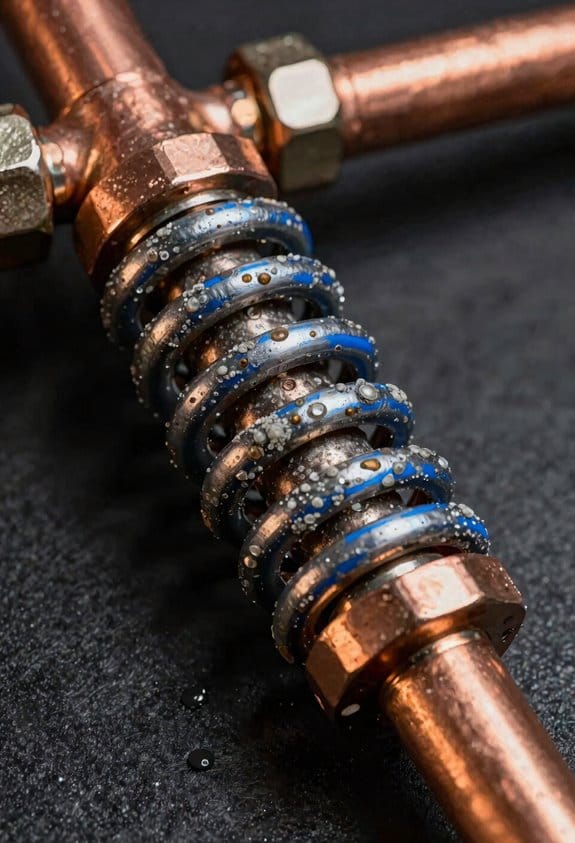
If you’re weighing TAC technology against electronic descaling, the installation and maintenance requirements differ markedly in ways that affect your long-term convenience and costs. TAC systems offer quick install with minimal plumbing modifications, requiring only a tank placement near your water line. Electronic descalers provide even simpler setup, wrapping around existing pipes without cutting into your plumbing. Both eliminate ongoing salt purchases and regeneration cycles. Space requirements favor electronic models since they need no tank, while TAC units require modest cabinet space. For labor savings, electronic systems win because installation demands no specialized plumbing skills. However, TAC’s minimal upkeep remains comparable, as neither system requires regular maintenance, chemicals, or drain connections once operational.
What Your Water System Actually Gets: Cost and Mineral Impact
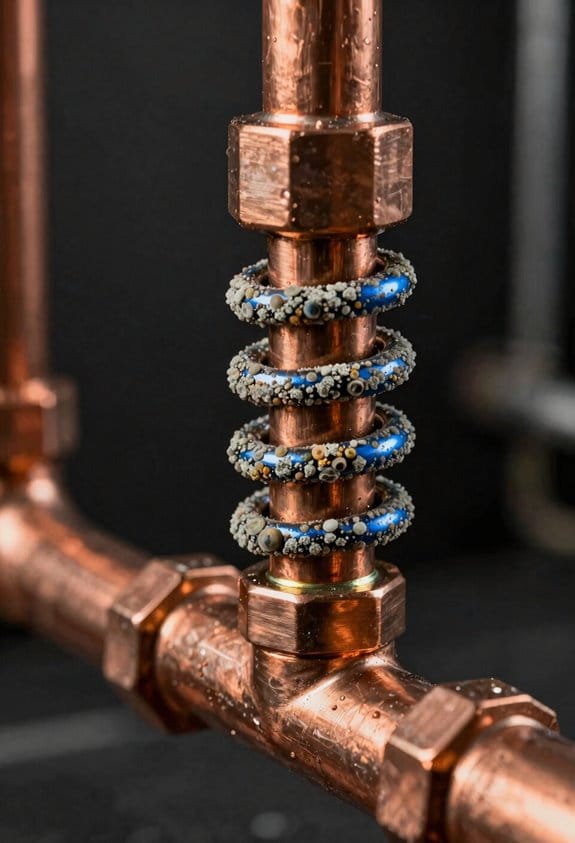
Beyond installation ease, the real difference between TAC and electronic descaling emerges in what these systems actually deliver to your water and wallet. TAC systems typically cost more upfront during installation cost, but they offer superior scale reduction over 90%, meaning fewer repairs to pipes and appliances down the road. Electronic descalers have lower installation cost and require minimal setup, yet they achieve only 50-70% effectiveness, potentially leaving you with residual scaling problems. Regarding mineral impact, both systems preserve calcium and magnesium in your water, maintaining beneficial minerals your body needs. However, TAC converts these minerals into harmless crystals that rinse away, while electronic methods simply alter how minerals behave, which means different long-term maintenance considerations for your household.
Which One Is Right for Your Home?
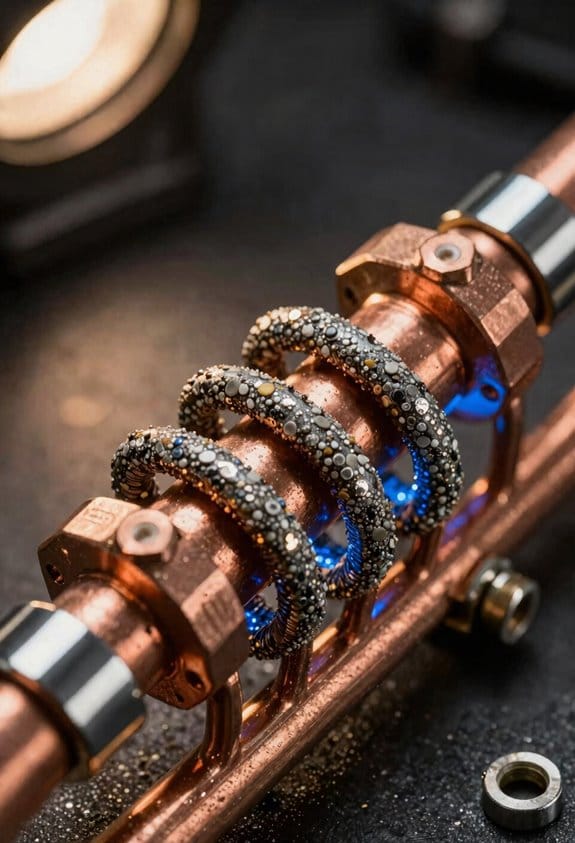
Choosing between TAC and electronic descaling depends on your household’s specific needs, water chemistry, and budget priorities. If you’re concerned about water aesthetics and want proven, reliable scale prevention, TAC’s 90% effectiveness rate makes it the stronger choice. It’ll protect your appliance longevity by preventing mineral buildup on fixtures and pipes without requiring salt or ongoing maintenance. However, if you prefer minimal installation hassle and worry less about maximum scale reduction, electronic descaling offers convenience with 50-70% effectiveness. Consider your water hardness level—harder water benefits more from TAC’s superior performance. Both systems preserve beneficial minerals that softeners remove, making either option preferable to traditional water softening if you value mineral retention.
Frequently Asked Questions
Can TAC and Electronic Descaling Systems Work Together in a Combined Water Treatment Setup?
Yes, I’d recommend combining TAC and electronic descaling for combined benefits. Their installation compatibility allows sequential placement—TAC crystallizes hardness while electronic descaling polarizes remaining minerals, maximizing scale prevention throughout your system.
How Long Do TAC Resin Beads Last Before Replacement Becomes Necessary?
Have you wondered when you’ll need replacing those TAC beads? I’d say they’ll typically last 5-7 years before bead degradation requires replacement, though the resin lifespan depends on your water quality and usage rates.
Do Electronic Descalers Affect Water Pressure or Flow Rate in Any Way?
I can assure you that electronic descalers won’t cause any pressure change or flow impact since they don’t obstruct water passages. They’re completely non-invasive, working through electromagnetic fields around your pipes without affecting water movement whatsoever.
Can These Systems Effectively Treat Water With Extremely High Hardness Levels?
Think of extreme hardness as a fortress—TAC’s crystals breach its walls, achieving over 90% scale reduction. Electronic descalers struggle here; they’re less effective with mineral solubility challenges, typically reaching only 50-70% effectiveness against extreme hardness levels.
Are There Any Health Concerns Associated With Drinking Water Treated by Either System?
I’ve found no health concerns with either system. Both preserve beneficial minerals you need, maintaining mineral bioavailability in your drinking water while preventing scale—unlike softeners that remove hardness minerals entirely.